d'Vinci Interactive is an award-winning comprehensive learning solutions provider for corporate, government, medical, non-profit, and K-12 target markets.
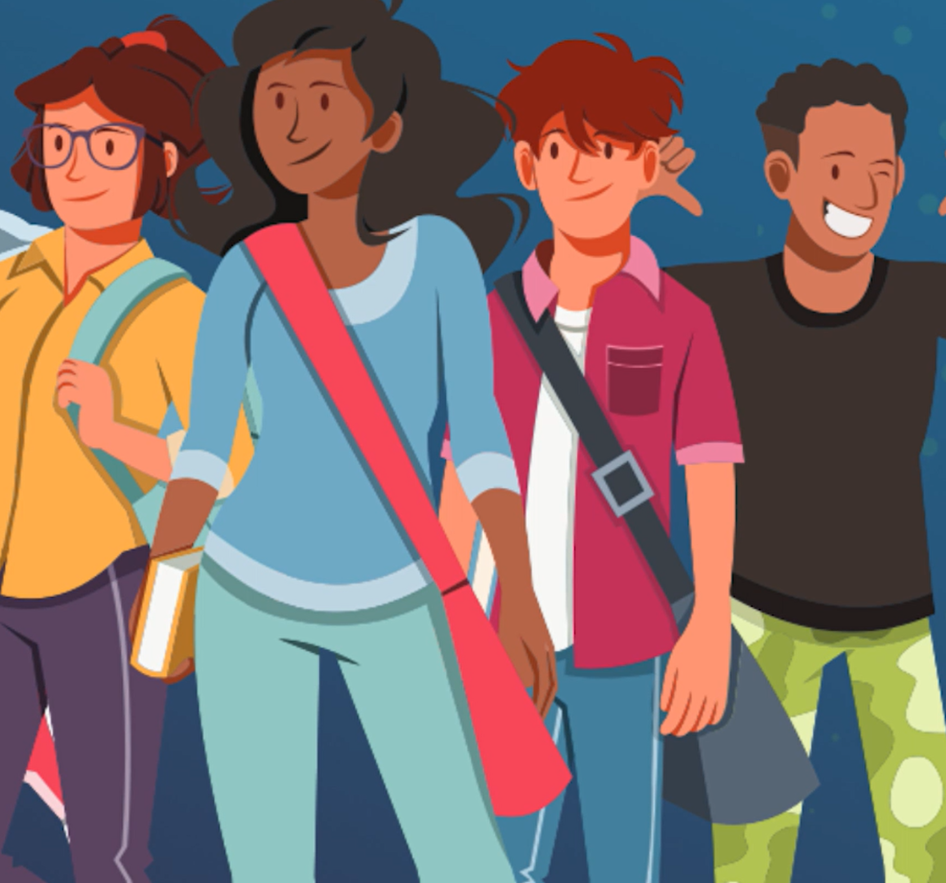
Beyond the Workplace: How K–12 Learning Can Advance Organizational Goals
August 17, 2026
Picture this.
It's mid-August, and a series of severe summer storms has left your yard looking worse for wear. One of your favorite trees didn't survive. Now that the cleanup is done, you're ready to plant a new one.
Shovel in hand, you pick the perfect spot and prepare to break ground.
That's when you hear a child’s voice behind you. “Did you contact 811 first?”
You pause. You sigh. But you stop and put down the shovel. And just like that, a simple moment turns into a safer decision.
That’s the power of educating kids. It’s something more organizations are beginning to recognize as they look for new ways to influence behavior.
Most corporate learning teams spend their time creating training for employees, customers, or partners. But some organizations are discovering another audience that can have an even greater long-term impact – children.
The excavation industry offers an interesting example.
For decades, the excavation industry has focused on educating homeowners, contractors, and excavators about safe digging practices – and for good reason. They’re the ones making decisions that prevent utility strikes and keep communities safe. But anyone involved in safety training knows that awareness and behavior aren’t the same thing. Most people understand the importance of safe digging. Yet utility damage still occurs because habits, assumptions, and shortcuts can override what we know is right.
The Ripple Effect of Teaching Children
The challenge isn’t awareness. The challenge is behavior.
By adulthood, people have spent years developing routines, forming their own habits, beliefs, and decision-making patterns. Changing those deeply ingrained behaviors can be difficult – even when people understand the risks.
That’s why some of the most successful safety initiatives begin long before adulthood.
We teach children to wear seat belts, brush their teeth twice a day, and wear helmets while riding a bike long before they fully understand the risks those behaviors are designed to prevent. The goal isn't simply to teach a rule – it’s to build a habit. And that's why some of the most effective safety advocates may still be sitting in elementary school classrooms.
Children are still forming the habits and behaviors that shape how they'll make decisions throughout life. They're naturally curious, eager to learn, and often more open to adopting new routines than adults. When children learn why simple safety practices matter, those behaviors become part of how they understand the world and eventually become second nature.
And another benefit? Children don’t keep lessons to themselves.They bring them home.
For organizations whose success depends on public behavior (not just employee performance) K-12 education can open an entirely different avenue for impact. A safety organization can help establish safer habits before risky ones form. A financial institution can introduce healthy money behaviors before young people earn their first paycheck. An environmental organization can influence household practices through children who bring lessons home.
In these cases, educating children isn’t simply community outreach. It can be a long-term strategy for advancing the organization’s mission. A student who learns about safe digging today may remind a parent to contact 811 before planting a tree or installing a mailbox tomorrow. That means K-12 learning has the potential to influence behavior on two timelines: by shaping the habits children carry into adulthood and by influencing decisions their families make right now.
Investing in Tomorrow's Safe Diggers
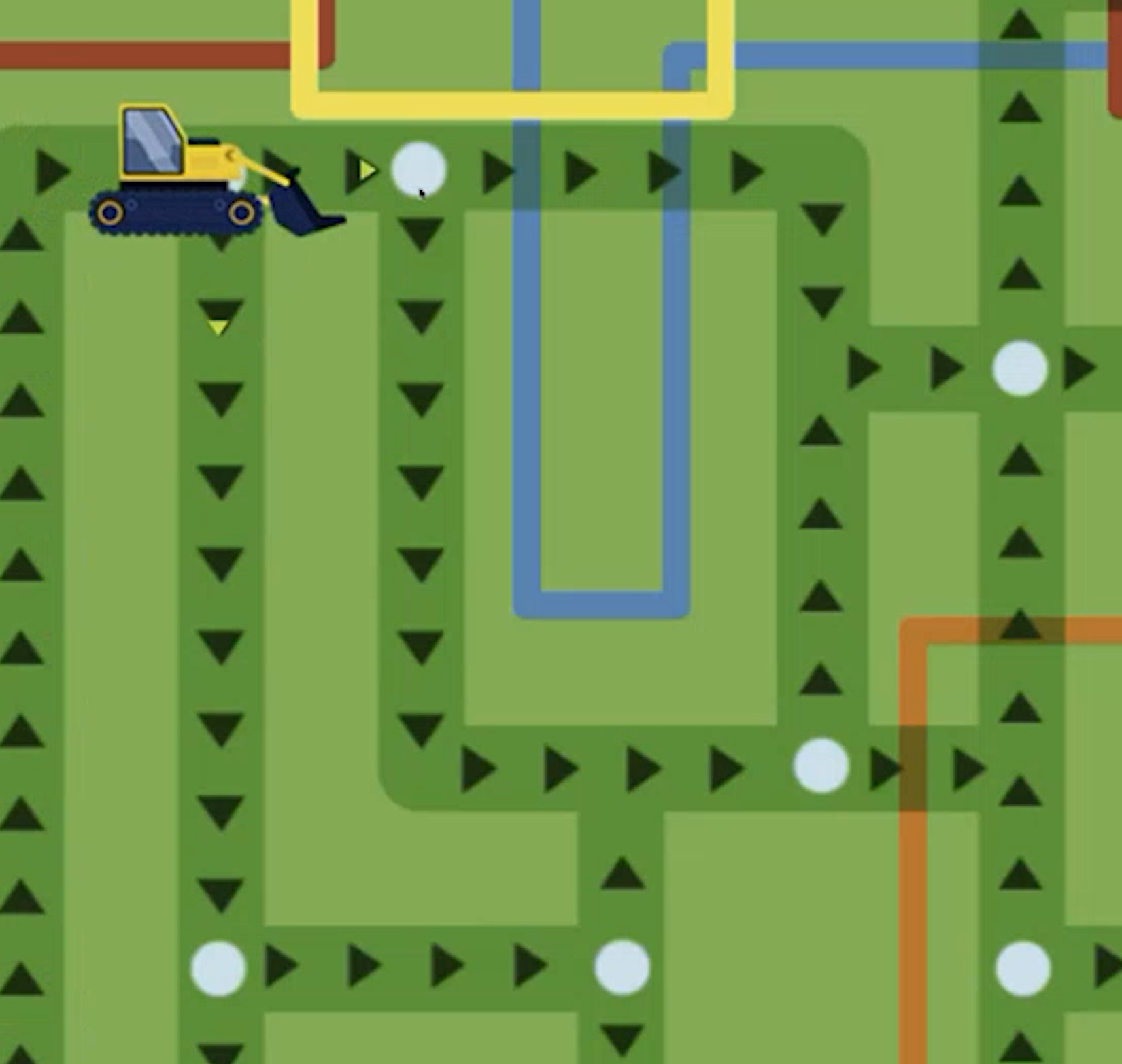 This thinking is already influencing how safety organizations approach public education. Organizations such as Common Ground Alliance are investing in learning experiences designed specifically for elementary-aged students. One example is Next Generation Diggers, developed in partnership with d’Vinci Interactive, which introduces students in grades 3-5 to safe digging concepts through exploration, decision-making, and play.
Rather than simply telling students to “contact 811 before you dig”, the gamified learning experience helps them understand why safe digging matters and how their choices can impact the people and infrastructure around them. The safety industry will always need to educate adults. But if the goal is lasting behavior change, one of the smartest investments we can make is helping children develop safe habits before unsafe ones ever have a chance to take root. Because today's students become tomorrow's homeowners, contractors, excavators—and perhaps today's most influential safety trainers.
What Corporate Learning Teams Can Learn from K–12
Corporate learning teams have spent years developing expertise in instructional design, storytelling, gamification, and behavior change. In the right organizations, those capabilities don’t have to stop with employees, customers, and partners.
When an organization’s mission depends on how people behave outside the workplace, whether that means digging safely, managing money responsibly, protecting the environment, or making healthier choices, children may represent an important and often overlooked learning audience.
Next Generation Diggers demonstrates what that can look like: taking learning expertise traditionally applied to adults and using it to influence the decisions families make today while helping establish safer behaviors for tomorrow. Because today’s students become tomorrow’s employees, customers, homeowners, and decision-makers and sometimes they’re the ones who remind the adults what they should be doing right now.
Read more about Next Gen Diggers

Ready to Connect?
Contact us today to start the conversation. We work with you to find innovative solutions that drive a sense of shared accomplishment and trust.