d'Vinci Interactive is an award-winning comprehensive learning solutions provider for corporate, government, medical, non-profit, and K-12 target markets.

Why Your Best Training Might Be a Job Aid
April 20, 2026
It’s a familiar scenario. A performance issue is identified. A course is requested. The training is built, launched, and completed. Completion rates are high. Feedback is positive. Yet, errors persist. Processes break down. Employees still struggle when it matters most.
If you’re responsible for training, it’s easy to default to what feels like the safest solution: build a course. But what if the issue isn’t the quality of your training? What if the problem is the solution itself?
Training Builds knowledge – Performance Requires Support
Traditional training is designed to prepare people before they perform a task. It introduces concepts, explains processes, and builds foundational understanding. But most workplace performance problems don’t happen because employees never received training.
They happen because employees:
- Can’t recall steps at the moment of need
- Don’t perform the task often enough to retain it
- Are working under pressure, time constraints, or competing priorities
In other words, the gap isn’t always knowledge; it’s execution. And execution happens in the flow of work.
What the Research Tells Us
Research in performance improvement consistently shows that training alone does not guarantee performance.
A 2025 study published in TechTrends found that organizations increasingly rely on performance support tools to enable learning in the flow of work, particularly during moments of application and problem-solving. The study highlights that employees are more effective when they can access targeted support at the moment of need, rather than relying solely on prior training.
This aligns with broader workplace learning research: performance is shaped as much by the work environment as it is by formal instruction.
If we want better performance, we need to design for the moment people actually do the work.
And that’s where job aids come in.
What Is a Job Aid—and Why Does It Work?
A job aid is a tool that supports performance within the flow of work. It helps someone perform a task on the spot – quickly, accurately, and efficiently.
Common examples include:
- Checklists
- Decision trees
- Quick-reference guides
- Visual workflows
- Templates
Unlike training, which asks learners to remember, job aids allow them to reference. This distinction matters.
Job Aids Reduce Cognitive Load
Cognitive Load Theory tells us that working memory is limited. When employees must recall multiple steps, rules, or decisions from memory, errors are more likely, especially under pressure.
Job aids reduce this burden by enabling employees to focus on executing the task correctly. Templates, visual workflows, and reference guides are often overlooked, yet are highly effective tools for reinforcing best practices and maintaining consistency.
Even highly trained professionals rely on this approach, and it’s something we see consistently in our own client work. Across industries, we partner with organizations to design learning solutions that extend beyond formal training and support performance on the job.
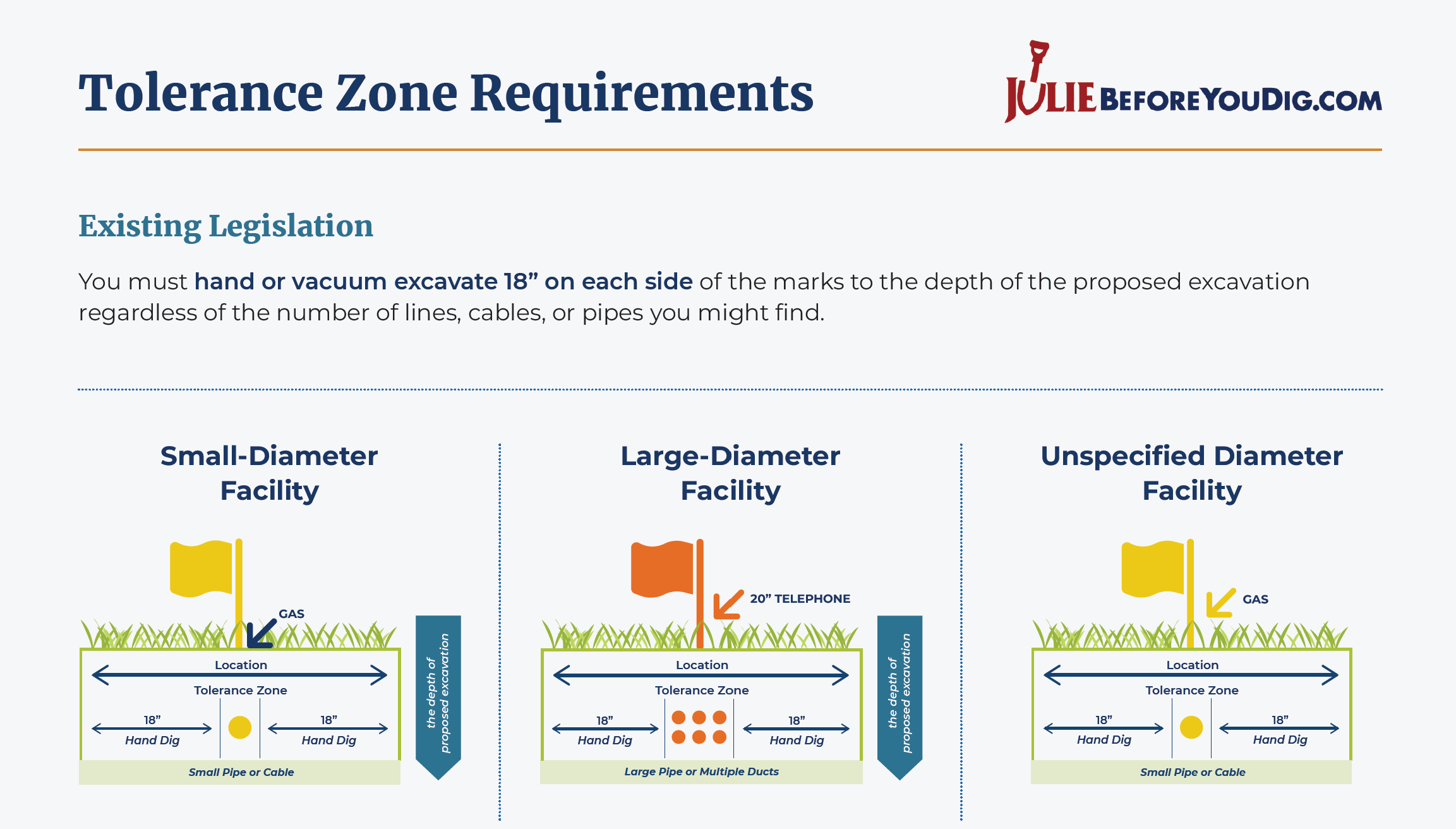
For example, in damage prevention and safety initiatives, we’ve developed microlearning modules and job aids that guide workers through critical procedures in the field, reinforcing safe behaviors at the moment they matter most. For workforce and compliance training, we design quick-reference guides and reinforcement materials alongside eLearning courses to help learners apply what they’ve learned in real-world scenarios.
These tools don’t replace training. They extend it, ensuring that critical knowledge is accessible when performance is on the line.
Job Aids Improve Accuracy, Consistency, and Efficiency
When tasks must be performed the same way every time, relying on memory introduces variability. Job aids standardize execution, ensuring that key steps aren’t skipped.
They also offer practical advantages:
- Faster to create than full courses
- Easier to update as processes change
- Accessible in real time
- Designed for repeated use
In fast-moving environments, this makes them a highly sustainable solution.
When a Job Aid Is the Better Solution
Not every problem requires a course. In fact, many don’t. Before defaulting to training, ask:
- Is this task procedural or step-based?
- Is it performed infrequently?
- Does it require accuracy more than memorization?
- Would a mistake be costly?
- Do employees already understand the “why,” but struggle with the “how”?
If you answered “yes” to most of these, a job aid may be the more effective solution.
Training is still valuable, especially when building foundational knowledge, developing judgment, or shifting behavior. But when the goal is consistent execution, performance support often delivers better results.
Where to Begin
Not sure whether your next request should be a course or a job aid? Start by looking at your current training requests or even your existing courses and ask: “Could this be supported instead of taught?”
Identify one task that is procedural, infrequent (or high-risk), and prone to error.
Instead of building or rebuilding a course, create a simple job aid. Test it. Use it. Refine it.
You may find that performance improves faster than it would through training alone.
If you’re ready to take a more strategic approach to learning design, we can help you assess your current training and identify where performance support can drive better outcomes.
Reference:
Bharwaney, G., et al. (2025). Empowering Organizational Learning: Technology-Driven Performance Support for Real-Time Skill Building and Workflow Efficiency. TechTrends.

Ready to Connect?
Contact us today to start the conversation. We work with you to find innovative solutions that drive a sense of shared accomplishment and trust.