d'Vinci Interactive is an award-winning comprehensive learning solutions provider for corporate, government, medical, non-profit, and K-12 target markets.
Three Steps to Making A+ Educational Sponsored Content
May 28, 2026
Digital explorations that inspire student pathways that lead to their future career. Interactive learning experiences that unpack the science behind human diversity. Educational interactives that let younger learners step into America’s revolutionary era and connect with founding ideals of freedom, opportunity, and democracy.
Educational media shapes how students think, inquire, and engage with the world — and this power has opened the door for innovative collaborations between mission-driven organizations and companies interested in supporting K–12 education. When created intentionally and ethically, digital learning experiences can advance public understanding, reinforce school curricula, and spark excitement about topics that matter.
Whether your organization is a non-profit, foundation, government agency, or business, if you have an important message to share with young learners, sponsoring a thoughtfully-designed educational experience can be a highly effective strategy. To create content that educators trust and students enjoy, keep these three core principles in mind:
1. Know What Educators Need
The most successful sponsored learning tools start with a clear understanding of the classroom environment. Before production begins, sponsors should identify the message they want students to take away and the curricular spaces where that message naturally fits.
A long-time d’Vinci Interactive client, the National Human Genome Research Institute’s Unlocking Life’s Code, exemplifies this approach. Acknowledging a national gap in genetics and genomics resources for teachers, NHGRI sought to create standards-aligned interactives to help build student understanding. To ensure their efforts aligned with actual classroom needs, they met educators where they are—literally.
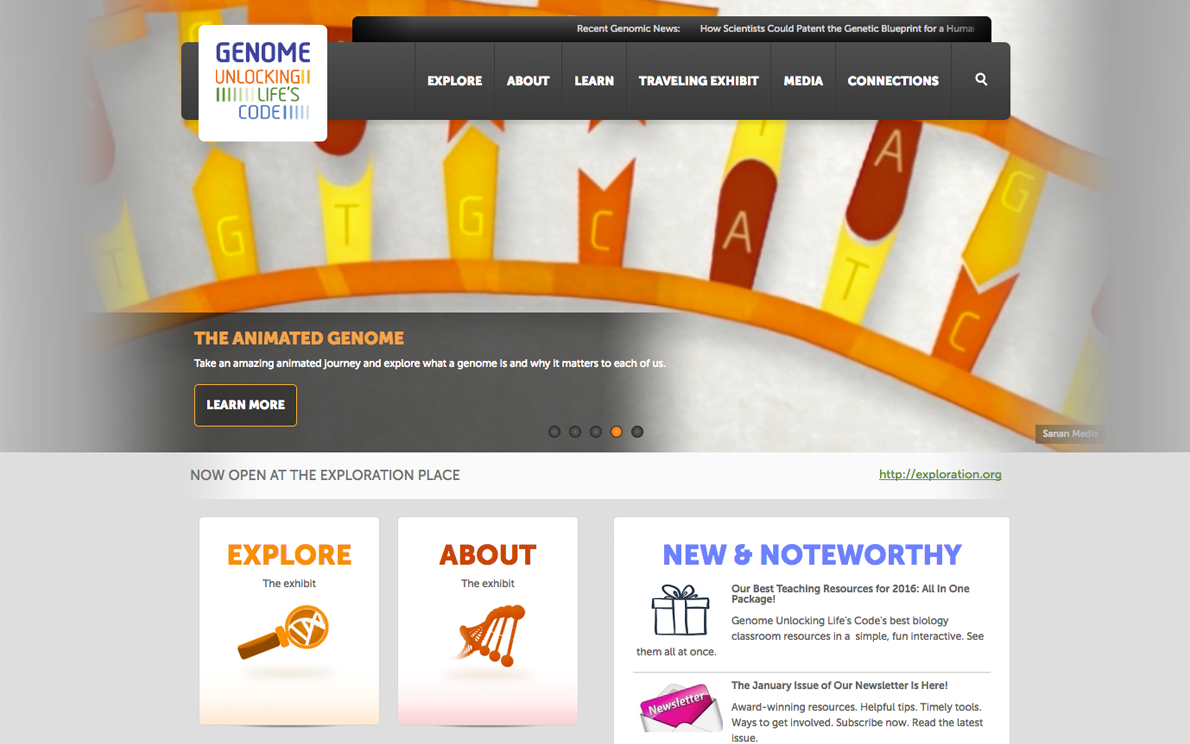
By attending the National Association of Biology Teachers (NABT) conference and facilitating sessions about instructional needs, NHGRI gathered firsthand insights into what biology teachers look for in digital tools and how they discover new resources.
During development of the Gene by Environment interactive, d’Vinci continued this collaboration through virtual educator meetings and online surveys, enabling teachers to shape content and usability throughout the design process. View the interactive here.
This shared development model yielded a suite of learning experiences that advance NHGRI’s mission while authentically supporting the challenges and goals of biology educators.
Takeaway: Begin with educator needs, not assumptions. Building with teachers — not just for them — creates tools that schools will embrace.
2. Understand How Educators Will Use It
Even the most engaging digital experience can fall flat if it doesn’t work smoothly in a real classroom. Sponsored educational content must account for technology limitations, varying instructional contexts, and tight teaching schedules.
To support broad adoption, sponsors should clearly define technical requirements early, prioritize usability, and test prototypes with educators in real-world conditions. A teacher managing 25–30 students needs confidence that a resource will work every time — because nothing derails learning faster than technical glitches in front of a class.
d’Vinci partnered with PBS LearningMedia to create a supporting educational interactive for Ken Burns new documentary, THE AMERICAN REVOLUTION. The Experiences of a Young Girl During the American Revolution: Betsy Ambler, was designed for upper elementary students (grades 3–5). The interactive learning experience invites young learners to step into the Revolutionary era through the perspective of a young girl, Betsy Ambler, who recounts her experiences in a series of personal letters. View the interactive here.
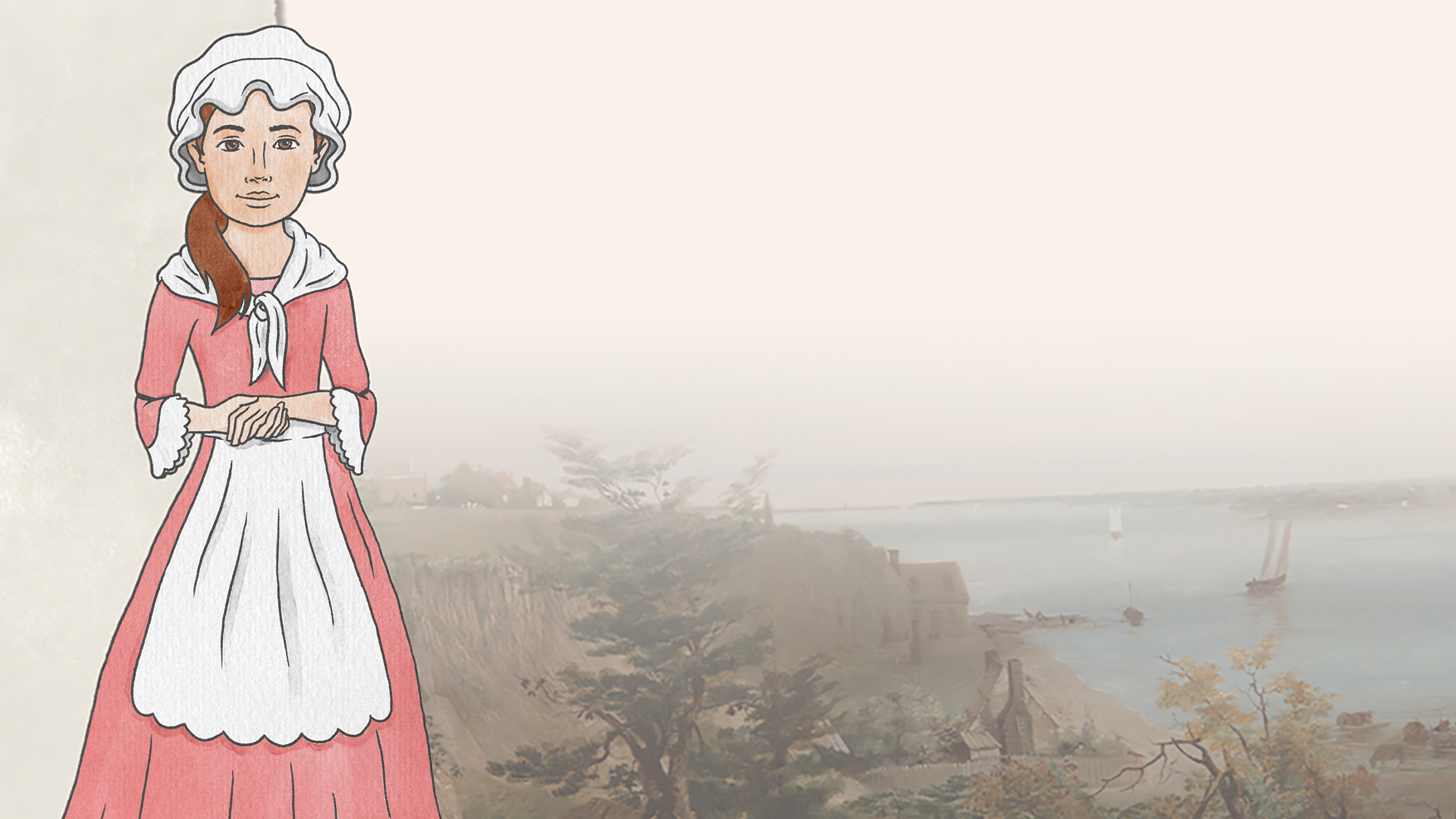 Guided by the girl’s voice (read by actor Maya Hawke, who also voiced Betsy Ambler in the film), authentic sound design, film clips, and historical imagery, students get to engage with the human side of the Revolution — supporting the development of empathy, critical thinking, and connecting to the founding ideals of freedom, opportunity, and democracy.
The PBS and d’Vinci teams recognized that usability would make or break its success. To build teacher confidence, they developed supporting teacher tips, discussion questions, and clear state and nationwide standards alignment data to complement the resource.
These assets multiply the value of the sponsored resource and demonstrate a deep understanding of what teachers need to succeed.
Takeaway: Think like a teacher. The easier the tool is to adopt, the more likely it is to become a trusted classroom resource.
3. Leverage the Expertise of the Partners / Subject Matter Experts
Producing high-quality resources is neither quick nor simple. It requires interdisciplinary expertise, thoughtful instructional design, and meaningful cooperation between content sponsors and learning designers. When organizations bring their unique strengths to the table, the final product becomes exponentially more impactful.
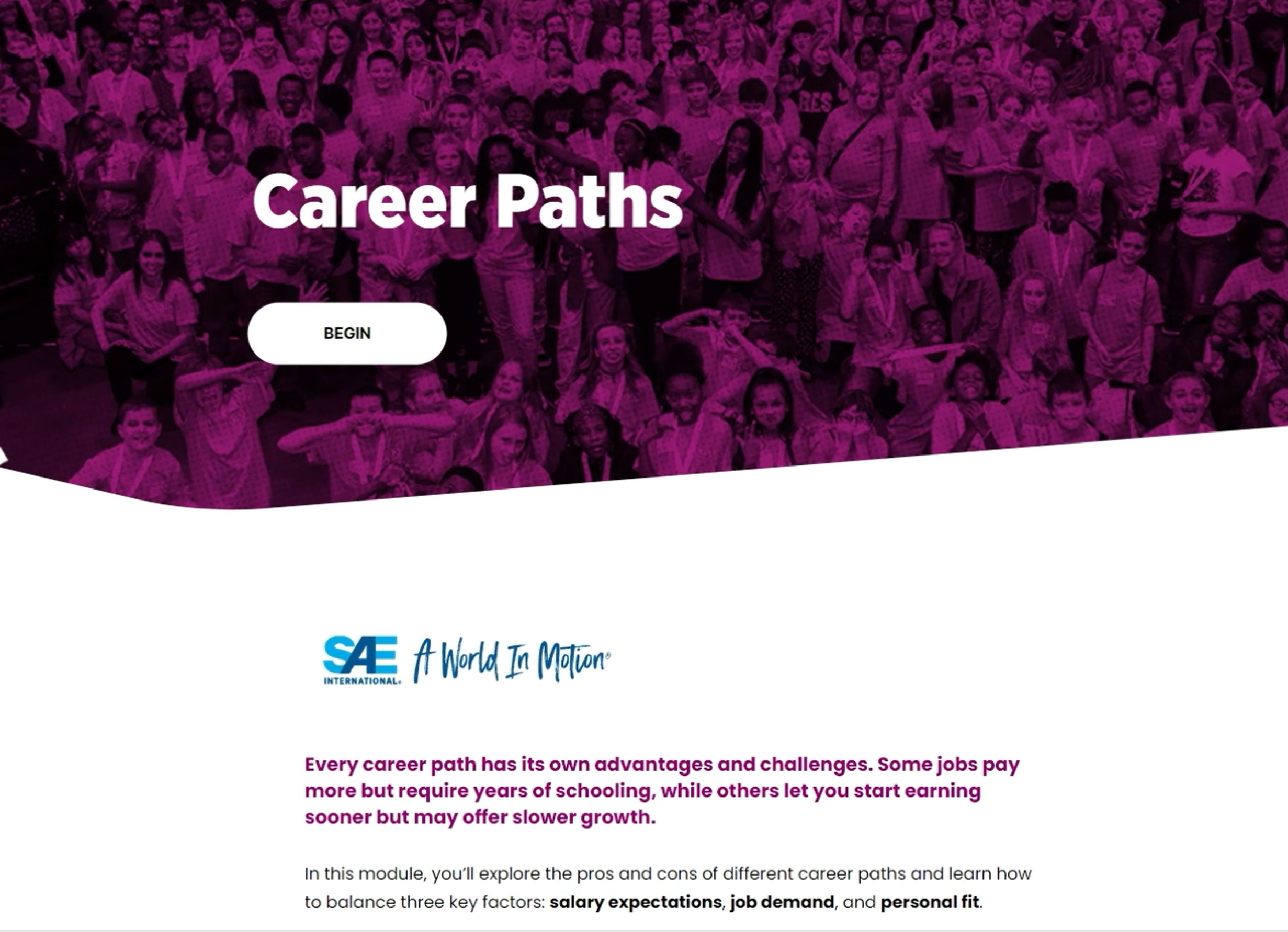 For example, d’Vinci recently collaborated with SAE International, to develop AWIM® (A World In Motion®) Career Pathfinder, an online learning experience that helps high school students explore a wide range of STEM and technical careers. Rather than presenting static job descriptions, students are immersed in real-world pathways—from advanced manufacturing, automation, and electrification to roles such as marketer, botanist, and city planner—broadening their understanding of what’s possible. View the resource here.
Career information from subject matter experts, including SAE engineers, technical experts and volunteers, played an active role throughout the project. Their engineers contributed real world career information and career-readiness skills, including critical thinking, communication, and research.
This type of authentic partnership elevates a sponsored experience from “content marketing” to meaningful educational impact.
Takeaway: Collaboration across domains—educators, subject-matter experts, sponsors, and designers—results in richer, more accurate, and more inspiring learning tools.
The Payoff: Impact and Connection
When organizations invest in truly valuable educational resources, they build more than brand recognition—they build trust. Teachers remember who helped them meet learning goals. Students associate your organization with curiosity, innovation, and discovery.
High-quality sponsored content has the power to:
- Extend your message to future generations
- Support teachers with much-needed curricular tools
- Engage students in authentic, meaningful learning
- Create long-lasting goodwill within the education community
By centering educator needs, prioritizing usability, and embracing expertise across partners, sponsors can create educational experiences that both advance their mission and enrich classrooms nationwide.
Additional K-12 Sponsored Content Created by d'Vinci:
SAE International
Navigating the Digital Universe
SAE International
Computerized Driver Challenge Game
PBS LearningMedia
Ken Burns Country Music Timeline
PBS NewsHour
Journalism in Action
Sandy Hook Promise
Start With Hello
National Institutes of General Medical Sciences
Blueprint of Life

Ready to Connect?
Contact us today to start the conversation. We work with you to find innovative solutions that drive a sense of shared accomplishment and trust.