d'Vinci Interactive is an award-winning comprehensive learning solutions provider for corporate, government, medical, non-profit, and K-12 target markets.
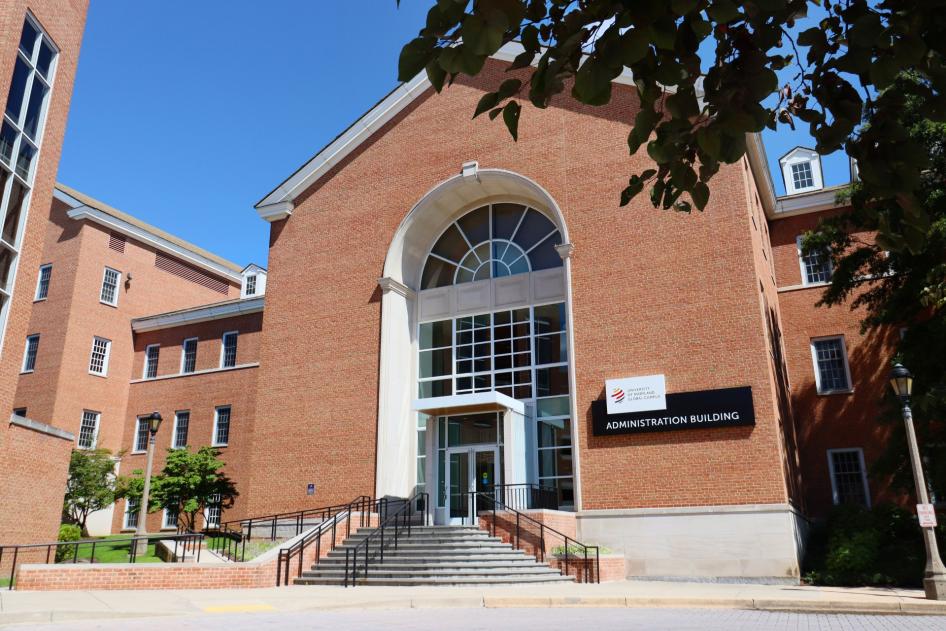
Solving University Training Challenges: Rethinking Onboarding, Learning, and AI
October 8, 2026

Effective onboarding requires more than delivering information—it should give learners opportunities to practice, receive coaching, and build confidence. Siesonn Fontaine, Director of Training and Quality at University of Maryland Global Campus, shares how her team uses structured onboarding, continuous improvement, and AI to create more effective learning experiences.
Show Notes:
Siesonn Fontaine explains how to build a supportive onboarding and nesting program using data, feedback, continuous improvement and AI. Her top takeaways include:
- Effective onboarding should provide opportunities for learners to apply new knowledge—not simply absorb information.
- A structured nesting period can help new employees build confidence while receiving coaching and feedback in a safe environment.
- Training programs should evolve through a combination of performance data, learner feedback, leader input, and ongoing observation.
- The right learning solution depends on the problem an organization is trying to solve—not on a preferred modality.
- AI can help L&D teams work more efficiently, but strong foundational knowledge, human judgment, curiosity, and a willingness to experiment remain essential.
About Siesonn Fontaine:
Siesonn Fontaine is the Director of Training and Quality for the Office of Financial Solutions at University of Maryland Global Campus. In her role, she leads learning and quality initiatives that support financial solutions professionals throughout the employee lifecycle.
Her work focuses on building practical learning experiences that help employees apply complex information with confidence. She is especially interested in just-in-time learning, coaching, performance support, leadership development, and creating opportunities for employees to learn through practice and reflection.
Siesonn is also an advocate for thoughtful experimentation in learning and development. She encourages her team to test new approaches, learn from what works and what does not, and use emerging technology, including artificial intelligence, to create more effective and engaging learning experiences.
She holds a master’s degree in Industrial-Organizational Psychology and brings more than a decade of experience in higher education, with a background spanning learning and development, leadership, training, and quality.
Transcript:
Susan Cort: [00:00:00] Many L&D professionals are asked to create training before the real need has been fully understood.
Siesonn Fontaine: I think for me the question is always what's the modality, it's what's the problem we're trying to solve? And then let that answer inform what learning solution we put into place.
Susan Cort: That's Siesonn Fontaine, Director of Training and Quality at University of Maryland Global Campus. She shares how she built a supportive onboarding and nesting program, and how using data, feedback, continuous improvement, and AI can create more effective learning experiences.
She joins d'Vinci's Angeline Evans and me next on Powered by Learning.
Announcer: Powered by Learning is brought to you by d'Vinci Interactive. d'Vinci's approach to learning is grounded in 30 years of innovation and expertise. We use proven strategies and leading technology to develop solutions that empower [00:01:00] learners to improve quality and boost performance. Learn more at dvinci.com.
Susan Cort: Joining me now is d'Vinci's Client Solutions Consultant, Angeline Evans, and our guest, Siesonn Fontaine, Director of Training and Quality at University of Maryland Global Campus. Welcome to Powered by Learning, Season
Siesonn Fontaine: Thank you. Thank you so much for having me.
Angeline Evans: Hi, Susan. Thank you so much for joining us.
Siesonn Fontaine: Thank you.
Susan Cort: Susan, start off by telling our listeners a little bit about your background, your role at the university, and the learners you support.
Siesonn Fontaine: So I actually stumbled into the training or learning and development sta- space back in 2015. Um, it's not something that I was actively pursuing, and I will be very transparent that, um, I was really bad at it when…
Angeline Evans: No, that can't be true.
Siesonn Fontaine: Um, I remember doing my first onboarding cohort and at the end of every day [00:02:00] thinking, "It can't be like this.
This has to be better." And so over a decade ago, I made it, uh, my personal mission to become really good at what I do, knowing that my success was the direct impact of other people's success. I wanted them to reflect back on their time with me knowing that they learned something, that I prepared them to be able to do their jobs, and I also wanted to be able to walk away knowing that I was able to transfer knowledge effectively and in a way that resonated with them.
And, um, so I would say for the last 10 years, I've been really dedicated to my own, uh, professional development and, and learning and innovating and iterating in the learning and training space. Uh, and I began working at the University of Maryland, uh, in January of 2024, uh, where I am the Director of Training and Quality for a specific department.
Susan Cort: So tell us a little bit about your learners and your specific role at the university.
Siesonn Fontaine: I [00:03:00] support our Office of Financial Solutions, and so we would be the front line who talks to students on the phone about being able to finance and afford their education.
So we obviously very much under the financial aid umbrella. We have a back office team that actually does all of the processing of financial aid, but we are the front-line communicators.
So we take some of that financial aid language, and then we're able to relay that in a way that students understand. So we're able to sort of meet them where they're at in understanding how to finance your education.
Susan Cort: So are you then training the associates who talk with the students? Is that kind of your learners then?
Siesonn Fontaine: Yeah. So in the training and quality team, we have an associate director who supports, , their onboarding, and then we've also developed an additional period of time, eight weeks, which we [00:04:00] call our nesting period. Uh, and so after onboarding, after really that classroom space, in this nesting period, they're given additional training, either things that they were not able to cover in onboarding, uh, or things that they touched on in onboarding, and so now we'll take a deeper dive.
But also they are very much in an application phase. So they are on the phones with students, they are responding to students' emails, and so they're absolutely part of the team, but they're a part of the team in a very s- sort of structured and safe environment where, you know, their calls are listened to, they're coached every week, and, you know, if they make a mistake, we catch that quickly, we coach them, and then, you know they move on.
And so they are in this space, um, for eight weeks before they actually transition on to a permanent team.
Angeline Evans: I imagine, uh, training staff to support such a large and diverse student population comes with some challenges. Can you talk to [00:05:00] me a little bit about any obstacles or challenges you encounter, um, walking them through this onboarding process and making sure they're prepared?
Siesonn Fontaine: Yes. I would say one of our themes is you have to be like a palm tree, right? You have to bend so you don't break.
Angeline Evans: All right
Siesonn Fontaine: and with the volume of activities that we have, with the number of new hires that we could have in any given cohort with the needs of the business, , you know, there's a lot of fluctuation in higher ed right now, which is causing a lot of high call volume. So we really have to be on our toes in our agility to be able to support the activities, support the training, support our learners so that they can support the learners of the university. So we're constantly exploring what tools can we use, what levers can we pull as far as, you know, additional resources within the team. Really just, I would say no cohort is the same. It's definitely not cookie cutter. We have a perfect world scenario, and we've never been able to execute [00:06:00] that. We're always, we're always needing to adapt and be agile to meet the needs of the business, at the same time meeting the needs of our new hires so that they can effectively do their jobs in a best way that supports our students.
Angeline Evans: So you walked us through at a high level what that onboarding looks like. Has it evolved based on what you've learned about training this type of group? Um, h- how did it start from when you first, you know, joined to what you're doing now? Has, has there been any efficiencies gained or more effective solutions?
Siesonn Fontaine: Yeah. Well, actually, when I first started at UMGC, we did not have a nesting environment. They
Angeline Evans: Oh, wow
Siesonn Fontaine: yeah, they were in, uh, six weeks of onboarding in a classroom space, and then moved right on to their permanent teams. And so, as you can imagine, starting a new job in and of itself, you have a
Angeline Evans: Right.
Siesonn Fontaine: Learning something about federal financial aid, which is very complex, there's a lot of compliance, there's a lot of rules, there's a lot of regulations, so even [00:07:00] that in itself is, is something foreign to learn. Um, and we did some, assessment, with our leadership team and with new hires to understand what was the readiness of individuals once they made it on their team. And, you know, they were scared. They were going from a cohort, where they spent six weeks with a group of people, and then they're thrown into teams where, uh, everybody already had, you know, their sea legs, so to speak, and were on their own, and they just required more support. And so the nesting environment is something that I was able to do at a, at a previous, um, university that I worked at. And I thought, "I think it could really be impactful in such a positive way." So that's one of the changes that we made. Within my first six months of employment, um, I proposed this nesting program, and from the get-go, it, the readiness of the individuals coming out of nesting [00:08:00] was so far beyond what it was previously, and we've iterated since then.
What else can we do in nesting, um, you know, to make them even more ready? So, and we're constantly iterating. Um, again, after every cohort, I think we realize what worked really well, what didn't work as well as we thought it would, what can we iterate on, what can we add, what can we remove?
Because we don't wanna just get stuck in this standard way that we do things, knowing that there's always an opportunity to do something different, something better. Um, and then for onboarding, is really owned by our human resources department, we worked with them to implement more application. Um, what we were finding, too, is that during that six weeks of onboarding, they were learning a lot, but they weren't really given the opportunity to apply it.
And if you've ever heard of, Ebbinghaus forgetting curve, right? That theory of being able to
Angeline Evans: Yes
Siesonn Fontaine: um, almost immediately after you've learned it. That was really, [00:09:00] um, that wasn't there. And so we worked with them to really build in, how can we get them really on the phones with students, it, during periods of time in your six weeks of onboarding to make sure that they're learning information, that they're instantly able to apply it, and really kind of building that muscle memory so that when they're transitioning to nesting and they're on the phone more, that's not the first time that they're on the phone. 'Cause we were experiencing that they would go through the six weeks of onboarding, they'd enter eight weeks of nesting, and then they'd be afraid to be on the phone. And of
Angeline Evans: Right
Siesonn Fontaine: start taking over. You learned something however many weeks ago, and now you're expected to recall it and, you know, convey that to a student, and it just wasn't the best experience.
And I always try to put myself in their shoes. Like, is that how I would want to learn? Is that the experience
Angeline Evans: Yeah
Siesonn Fontaine: And when the answer is no, how can I expect anyone else in good conscience to have that sort of experience, right? We, we want them to [00:10:00] feel that they're supported Uh, we try to build their confidence as much as possible.
We can't, we can't combat all of the nerves, uh, but we really do our best to make sure that they are prepared as possible so that the transition to their permanent team is near seamless. Um, and then they can just be on their permanent team supporting students like the rest of their permanent team already does. Uh, we still continue to support them a year after they leave nesting. We have a special 365-day training series where we pull all of them back off the floor. They get to, uh, you know, re- uh, re-engage with their onboarding and they get to learn things at a different pace than the, than the broader, uh, department. Um, and again, just helping them build those blocks. Now they have more experience on the team that they can bring to those training sessions. They can ask more, uh, pointed questions about, um, [00:11:00] situations that they've been in and what they did or what they should have done. So we really do a lot, um, to try to support them, not just within their first six or 14 weeks, but within their first 365 days within the department.
Angeline Evans: That's wonderful. Uh, can you share more about, so throughout this program and through the nesting, what sort of data and feedback, how do you use data and feedback, I guess I should say, to understand if the training's actually working? Like, what metrics are you gathering and, and feedback from them going through the training?
And, and I would also say I'm gonna I, I know this is turning into a long question, but what feedback do they get from you also then along the way in that nesting period? Like, is there, like what live feedback are they getting as they're practicing?
Siesonn Fontaine: Yeah. So we have, you know, like any, any business, we
Angeline Evans: Mm-hmm. Mm-hmm.
Siesonn Fontaine: stats
Angeline Evans: Sure.
Siesonn Fontaine: to achieve. And so we don't expect them to be there by the end of nesting, but [00:12:00] we track those numbers for them every single week, and during their one-on-ones, they're, they're coached, right?
'Cause, like, taking the most amount of calls isn't always the best,
Angeline Evans: Right
Siesonn Fontaine: So, uh, there are department, uh, KPIs that as, um, a full-time employee you're expected to meet. And so we, um, make them aware of that expectation right at the beginning of nesting, and then we track those numbers from week to week. Uh, and our associate director will go over those numbers with them, uh, during their one-on-ones. So whether they are on track, we celebrate that. If they have an opportunity for improvement, we will give them often a mini goal, um, because, you know, because of the nature of our department, taking the most calls is not necessarily the goal, because if you take a lot of calls but they're all very short and the quality suffers, then, then that's not what we're trying to achieve.
So it's how do you balance the quantity of calls with the quality of calls? So they also get call reviews every week, [00:13:00] and those are reviewed so they know what they did really well, they know their areas for improvement. Um, and a majority of them will actually, uh, be meeting the wider department goals by the time they need nesting.
There are some that don't, but they are very well aware of what their opportunities are, and then we also loop in, uh, the leader of their permanent team to let them know so that they can continue coaching, um, in those areas and not have to start over. Um, we also send out a survey to both leaders and new hires, uh, once the nesting period is over because we wanna understand from the leaders was this individual sort of m- did they meet our definition of readiness, uh, once they're on your team? And then from the new hire, we wanna know about their experience, the good, the bad, the indifferent. And so, um, we will take, uh, a look at those surveys, and we won't necessarily change something based on one positive or constructive response. Uh, but we [00:14:00] will look for trends over time to identify, you know, maybe did we have a self-directed training that really should be, um, facilitator led or vice versa?
Or, uh, once they were on their permanent teams, did they realize that maybe nesting was missing something? And do we need to, you know, incorporate either a new topic or a new campaign or some sort of support system within the nesting environment, uh, to make it better? So we're constantly looking for, um, feedback, quantitative, qualitative, um, ad hoc, um, just because we wanna make sure, again, that we're constantly iterating to have the best, you know, onboarding program that we can have.
Susan Cort: That probably not only helps your program, but it helps the people who are the frontline,
Angeline Evans: Mm-hmm
Susan Cort: support team that, that are working with the students feel successful, like they're having an impact when you can give them that feedback that always makes them better in their jobs, too.
Siesonn Fontaine: Yeah, absolutely. We have a team of [00:15:00] senior FSAs who support our broader team. So they don't talk to students on the phone, but if you are someone who answered the phone and you are stumped, you place the student on hold, you call a senior FSA, and they're really more specialized in sort of edge cases, weird things that may happen.
But they also do provide a lot of new hire support, so they're able to really break more complex topics down in a simple way to really help support the FSA. And we get a lot of feedback from them too, like this is, these are the things that they're calling us about, these are the questions that they have.
So they're also another really great source of feedback for performance on the team
Angeline Evans: So would you say you use feedback as the primary way to decide what approach or modality is right for your particular needs? Or talk to me more about the other factors, 'cause I know a lot of our listeners are striving to do, u-use best practices when they decide, you know, what format should they deliver training in, what modality should they use.
And so I think it would just be a nice gut [00:16:00] check to hear from you, um, what approach you take?
Siesonn Fontaine: Yeah. So we absolutely use feedback as a tool. Is it the primary tool? Not always, uh, because at the end of the day, um, myself and my team, we are the learning and development or the,
Angeline Evans: Yeah
Siesonn Fontaine: experts. And so sometimes what might be a good idea, um, from someone who had that experience, we realize from, uh, really a training perspective that it may not actually be the best idea. So one of the things that we do too is -- think about what is the training supposed to accomplish? What, is the goal? What's the problem that we're trying to solve? And for me, that takes priority over a modality because to me, that in and of itself dictates the modality, right? There are some things, - and I've definitely been in that space in my career where everything is a training, and I think you also have to understand that everything is not a training. So what are the questions that [00:17:00] you ask yourself? Are your resources up to date? Are your resources accessible? Is it something that they were trained on? Is your training up to date? Is it something that you just completely missed? Um, and if it's something that you completely missed, what is the best, uh, learning solution to get that across?
And you know, it doesn't always mean that you pull everyone off the phone and you have an instructor-led training. So I think, um, while some people, based on the needs of their business or, um, you know, their areas of expertise, I think in some places you're able to do that. Uh, but I don't always think that that's necessary.
So for me, the first question isn't what modality, it's what's the problem that we're trying to solve? And then based on that answer, are the things that we look at? Is this individual? Is this more department wide? Did, uh, something come up, you know, unusual at the university that we've never dealt with before, and so it's creating, uh, something that we did not [00:18:00] anticipate?
Um, so I think for me the question is n-not always what's the modality, it's what's the problem we're trying to solve? And then let that answer inform how we-- what learning solution we put into place.
Angeline Evans: That is very well said, and I just wanna echo that. That's exactly the process we follow here at d'Vinci. We always do a comprehensive discovery upfront and answer the same questions that you just said, because sometimes training isn't the solution and it's not necessary, right? There might be a quicker way to get the outcome you need, um, or you might need to go down a different path for a different learning solution to achieve those outcomes.
Siesonn Fontaine: Yeah.
Angeline Evans: I agree, I'll say.
Siesonn Fontaine: I think it's the convincing the
Angeline Evans: Yeah. Yeah.
Siesonn Fontaine: not a training. Like,
Angeline Evans: that's not easy. Yeah.
Siesonn Fontaine: I, the analogy that I used, it would almost be like walking into a bakery saying, "Okay, I need to order a chocolate cake."
Angeline Evans: Right
Siesonn Fontaine: But it's like, "Nope, I need to know, is it for an event? How many
Angeline Evans: Mm-hmm.
Siesonn Fontaine: to [00:19:00] feed?
Angeline Evans: Yeah
Siesonn Fontaine: When you say chocolate, what do you mean by chocolate?" Right? Because there's so much more that goes into, to your point, the needs analysis of a
Angeline Evans: Mm-hmm
Siesonn Fontaine: actually solving the problem.
Angeline Evans: Yes
Siesonn Fontaine: just tell me you need a training on X, I can build you a training on X, but our perception of that training might be wildly different. And so it does require, right, does require a lot of asking questions, or it might require, you know, you to say, "This actually doesn't need a training, but it does sound like a coaching opportunity for someone on your team."
Angeline Evans: Yeah, absolutely.
Susan Cort: I love that bakery analogy. That's
Angeline Evans: That's a good analogy. I'm gonna steal that one. That's really good.
Siesonn Fontaine: absolutely,
Susan Cort: your lear- your learners might not even like chocolate, so you have to really ask
Angeline Evans: Right?
Susan Cort: questions, you know?
Angeline Evans: Yes.
Siesonn Fontaine: Yeah
Angeline Evans: Um, so talking, shifting topics here a little bit, let's talk a little bit about AI and all of the different emerging [00:20:00] technology. I feel like that's a topic we always like to bring up, and everyone's at a different pace with AI right now.
Siesonn Fontaine: Mm-hmm.
Angeline Evans: Are you experimenting with AI, and what have you found to be effective?
Siesonn Fontaine: Oh, we, we are diving in.
Angeline Evans: Yeah
Siesonn Fontaine: I will say that I, I myself am so excited about what artificial intelligence is able to do for us in this space. Um, not only just the ease in developing things, but the efficiency in developing things. And I think if you have the foundation, if you have the framework that you're able to say, "I need a training on X, it needs to cover all of these different things." Um, you know, when I started my career, it was PowerPoint City.
Angeline Evans: Yeah.
Siesonn Fontaine: PowerPoint
Angeline Evans: So true.
Siesonn Fontaine: know, even PowerPoint,
Angeline Evans: Yeah
Siesonn Fontaine: I-- and let's give a, a round of applause to PowerPoint. They've come a long way in…
Angeline Evans: Yes
Siesonn Fontaine: you're no longer, you know, having to be stuck to these
Angeline Evans: Mm-hmm
Siesonn Fontaine: but you can [00:21:00] do so much with them.
But with
Angeline Evans: Yeah
Siesonn Fontaine: intelligence, you... I don't need to spend hours building a PowerPoint anymore, and honestly, that's not where my, uh, expertise is. But now I can look at, um, you know, a learning solution that was created by AI, and now I can use my own intelligence to edit.
Angeline Evans: Powered by Learning @ dvinci.com
Siesonn Fontaine: to be able to revise it, to give feedback to the AI while I am doing other things that AI can't do for me, right?
I need to…
Angeline Evans: Yes
Siesonn Fontaine: I need to be in meetings. So for me, it's not about AI doing my job. Um, I think in, you know, the last decade or more, I've proved that I can do this j- this job. But what I need it to do is, uh, I need it to work on those things that I could do in my sleep, but I need to focus on, on other things.
And so for me, it's what do I do with my newfound time, but also learning AI. I, um, I'm constantly encouraging my team, "You [00:22:00] try it out, practice,
Angeline Evans: Yeah
Siesonn Fontaine: can do with it." Uh, uh, you know, obviously lots of people are talking about vibe coding and its impact on instructional designers. And so we attended a webinar on vibe coding, and I had One of my associate directors who needed to build a training, and that was her first attempt.
She said, "Okay, attended this webinar. I think I know enough to be dangerous, and now I'm gonna see what I can build." w- she went from what was at one time an instructor-led training to a very interactive self-directed training that I was blown away that that was her first time doing something like that.
And we all jumped in and all started, you know, building these interactive HTMLs, uh, walkthrough tools, decision
Angeline Evans: Mm-hmm.
Siesonn Fontaine: tools, and we're able to share that with our team and they love it. The feedback that we're getting from those is, "This is so [00:23:00] much better than like going through a job aid or a Vizio chart to figure out what I need to be doing at any given time."
And we're really able to just customize those in the moment. Um, I've built some and I've gotten feedback about, "I think we're missing a, a scenario in which this happens." The thing I love about that is I can just go in, I can update it, and they all have it updated in real time, whether they realized, you know, something was updated or not. Um, and, and that's wonderful. So I can't say enough. I think if anyone is averse or apprehensive or scared, you're not gonna break anything. Just
Angeline Evans: Right? Yeah
Siesonn Fontaine: what you can do, watch a couple of YouTube channels or webinars and just see what you can build, 'cause I think you'd really impress yourself. Um,
Angeline Evans: Mm-hmm.
Siesonn Fontaine: if you have all the foundational information that you need, then AI, you just think of it as like, um, for me, he's, he's-- it's our unpaid intern, right? Like it just is working [00:24:00] for us on the side. It's, we don't have to worry about, you know, a paycheck or benefits, but it does a lot of work and the output is just sometimes far and away above what I could even do. So…
Angeline Evans: Mm-hmm.
Siesonn Fontaine: anyone, if you're, if you're not experimenting with AI, it's a perfect time. It's evolving every day and there are still things that I have on my list like I need to practice, I wanna try out. Um, but even this morning I'm building, you know, an interactive calendar to really do some capacity planning for our onboarding and new hire cohorts.
And could I do that in an Excel spreadsheet? Yes, but not as beautifully or as effectively as I can with AI.
Angeline Evans: Yeah
Siesonn Fontaine: So it's good for things like that too, not just building learning materials, but also helping with your capacity planning if you're an organization that regularly does onboard individuals. How do you make sure that you have all of the time and mini-minimize any conflicts or, you know, negative impacts to that cohort?
So can be used in a variety of different ways and I would encourage [00:25:00] anyone to just be curious and jump in.
Angeline Evans: Thank you so much. Yeah, that's wonderful advice, and I loved... Thank you for sharing that level of detail of how your team's using it, 'cause I'm sure there'll be a couple listeners going right to vibe coding right now,
Siesonn Fontaine: Y-
Angeline Evans: giving it a go. So
Siesonn Fontaine: it's so funny, I
Angeline Evans: yeah
Siesonn Fontaine: I had someone ask me, like, "So when you did this, what was your first prompt?"
Angeline Evans: Yeah
Siesonn Fontaine: I said, "I have to be completely honest, I didn't know what I was doing." So I
Angeline Evans: Great
Siesonn Fontaine: "I wanna create a vibe code." And the AI said, "What do you mean?" And I said, "You know, like something interactive where I can have people click on things."
And we eventually got there, and now
Angeline Evans: Yeah.
Siesonn Fontaine: for these things is much
Susan Cort: better, right?
Siesonn Fontaine: I
Angeline Evans: It's a learning ex- yeah
Siesonn Fontaine: that, like, when you first jump in, you really don't need to know. You need to know what you're trying to accomplish, but how you get there, that's gonna be part
Angeline Evans: Yeah
Siesonn Fontaine: learning process, too
Angeline Evans: Yeah. Absolutely. So before we, uh, have you leave us today, I just, is there [00:26:00] any... You've already given us lots of words of wisdom, but are there any other words of wisdom that you would wanna share with L&D leaders, um
Siesonn Fontaine: I think for me, and I, I, I've touched on it a, a couple of times, is you need to be a lifelong learner,
Angeline Evans: Yeah
Siesonn Fontaine: you need to be constantly curious. And whether that's something you pick up in a conversation or observe in someone else's training or PowerPoint, or you attend a webinar and you walk away with one thing you didn't know before.
I think one of the things that we could do that's detrimental to this space
Angeline Evans: Mm-hmm.
Siesonn Fontaine: doing things the way we've always done them.
Angeline Evans: Yes
Siesonn Fontaine: and I think if y- when you're in this space, if learning isn't front of mind for yourself as well as the people that you're learning, then that's something that you need to take a look at.
Um, I love learning something new. I love sharing it with the people that work with me. I love it when they say, "Season, look what I made. Look what [00:27:00] I built. Here's my idea." That I- as a leader,
Angeline Evans: Yeah
Siesonn Fontaine: am... That, that makes my day because I want them to know that they have permission to try. They have permission to try and have it not work out because, will be, "Okay, so how do we make it work?
What did you... What happened that didn't make it work, and, and how do we iterate on that?" 'Cause to me, you've gotta constantly be growing. Imagine if I had someone go through my nesting program and they say, "Yes, that's exactly the same as it was three or four years ago." I would hate that. I want them to say,
Angeline Evans: Yeah.
Siesonn Fontaine: I was
Angeline Evans: Yeah
Siesonn Fontaine: program three years ago, and look at how much it's evolved." Uh, that's what I constantly
Angeline Evans: Yeah
Siesonn Fontaine: How every time it may be successful, how do we make it a little bit more successful every time? And we don't need to reinvent the
Angeline Evans: Mm-hmm.
Siesonn Fontaine: need to overhaul it after every cohort, but there's something we can do to make it a little bit better every time.
And I think over time, all of those little improvements end [00:28:00] up, you know, a, a much larger improvement, and that's always my goal. Always be learning something new, and not just learning it, but applying it
Angeline Evans: Mm-hmm
Susan Cort: That's great advice. Susan, your passion for
Angeline Evans: Yes.
Angeline Evans: It shines. It shines
Susan Cort: I think that's great because you, you certainly are sharing that passion with the people that you work with, and then ultimately making life at the university easier for the students because the people that are helping are, are there, and they're that first line of defense, and they know what they're doing thanks to the training you're putting together.
Siesonn Fontaine: that is the goal. We want positive student experiences, and it starts
Angeline Evans: Mm-hmm.
Siesonn Fontaine: um, people who are answering the phone. And if we don't prepare them, then it's just like a, it's a
Angeline Evans: Mm-hmm.
Siesonn Fontaine: so
Susan Cort: Well,
Angeline Evans: Yeah
Susan Cort: today. We appreciate you sharing your insights
Siesonn Fontaine: And thank you so much for having me
Angeline Evans: Yeah, it was a pleasure talking to you. Thank you so much
Siesonn Fontaine: Thank you
Susan Cort: My thanks to d'Vinci's Angeline Evans and our guest, Season Fontaine, for joining me today. [00:29:00] If you have a suggestion for a topic or guest, please reach out to us at poweredbylearning@dvinci.com. And don't forget that you can subscribe to Powered by Learning wherever you get your podcasts.
Ready to Connect?
Contact us today to start the conversation. We work with you to find innovative solutions that drive a sense of shared accomplishment and trust.