d'Vinci Interactive is an award-winning comprehensive learning solutions provider for corporate, government, medical, non-profit, and K-12 target markets.

Digital Civics at 250: Helping Students Participate in History and Democracy
November 17, 2026
In 2026, the United States is marking its 250th anniversary. Across the country, schools, museums, nonprofits, and public institutions are using this milestone to ask how we can help young people participate meaningfully in civic life.
Students form many of their views about government, community, and public life through digital experiences. Digital civics uses thoughtfully designed learning experiences to help students evaluate evidence, consider different perspectives, understand American history, and develop the knowledge and skills needed to participate in a democracy.
For more than 30 years, d’Vinci Interactive has helped educational institutions, government agencies, nonprofits, and mission-driven organizations turn complex ideas into meaningful learning experiences. Our work in civics and American history includes games, interactive storytelling, resource archives, data visualization tools, and classroom resources. Although these projects use different formats, they share a common purpose: inviting students to participate in history and democracy, not simply memorize facts about them.
Why Digital Civics Matters for Students and Educators
Young people already participate in public life through digital spaces. They comment, share, organize, and form opinions online. Digital civics helps them do so responsibly by teaching them to:
- Evaluate claims and trace information to its source.
- Compare evidence and consider multiple perspectives.
- Understand how decisions are made at the local, state, and national levels.
- Engage in disagreement with respect.
- Recognize the importance of compromise and process.
See how individual and collective action can influence communities.
These skills develop through intentional learning experiences that give students opportunities to ask questions, test ideas, make decisions, and reflect on consequences.
Digital civics tools also help educators make complex subjects more accessible. Interactive games and simulations can bring civic processes to life. Primary-source archives give students authentic materials to investigate, while accessible, mobile-ready educational websites help more learners engage with content in the ways that work best for them.
A Civic Life Should Start Early
The 250th anniversary is an opportunity to reflect on both the history of American democracy and its future. Our work in digital civics has reinforced a simple belief: citizenship is learned through participation. Students need opportunities to explore history, examine evidence, understand government, and see how their actions can affect others.
Here are some examples of recent K–12 digital learning experiences we created at d’Vinci.
The National Conference of State Legislators: Start with the Game
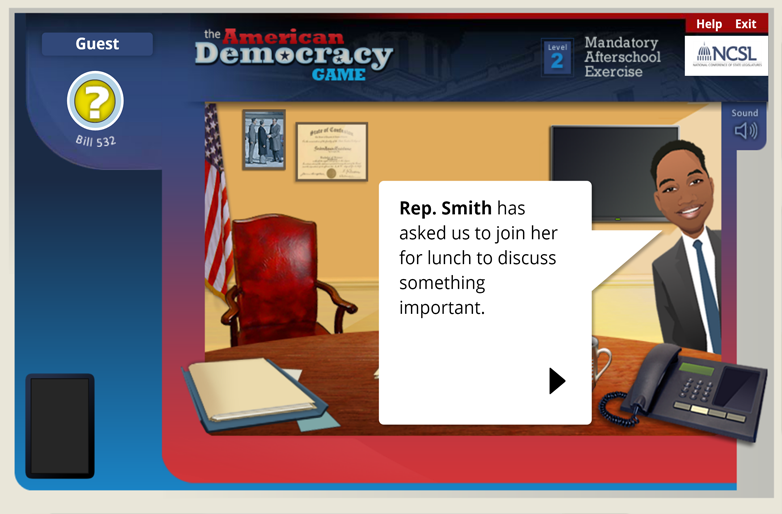 One of the clearest examples of our civics work is The American Democracy Game, created by the National Conference of State Legislatures and developed by d’Vinci Interactive.
Designed for late elementary and middle school students, the game places learners in the role of a lawmaker. Their decisions shape the gameplay and influence the outcome of each level. As they work through community issues, they earn recognition for demonstrating integrity, respect, compromise, honesty, and commitment. Every individual has equal rights and value and compromise is necessary to get things accomplished.
The game’s greatest strength is its participation model. Civics can feel distant, but The American Democracy Game brings it closer to home by showing students how decisions affect communities and how individuals can contribute to positive change. The game received a Davey Award silver in the Educational Websites category, an honor from one of the largest competitions for interactive work. Read more.
PBS LearningMedia: Making History Personal
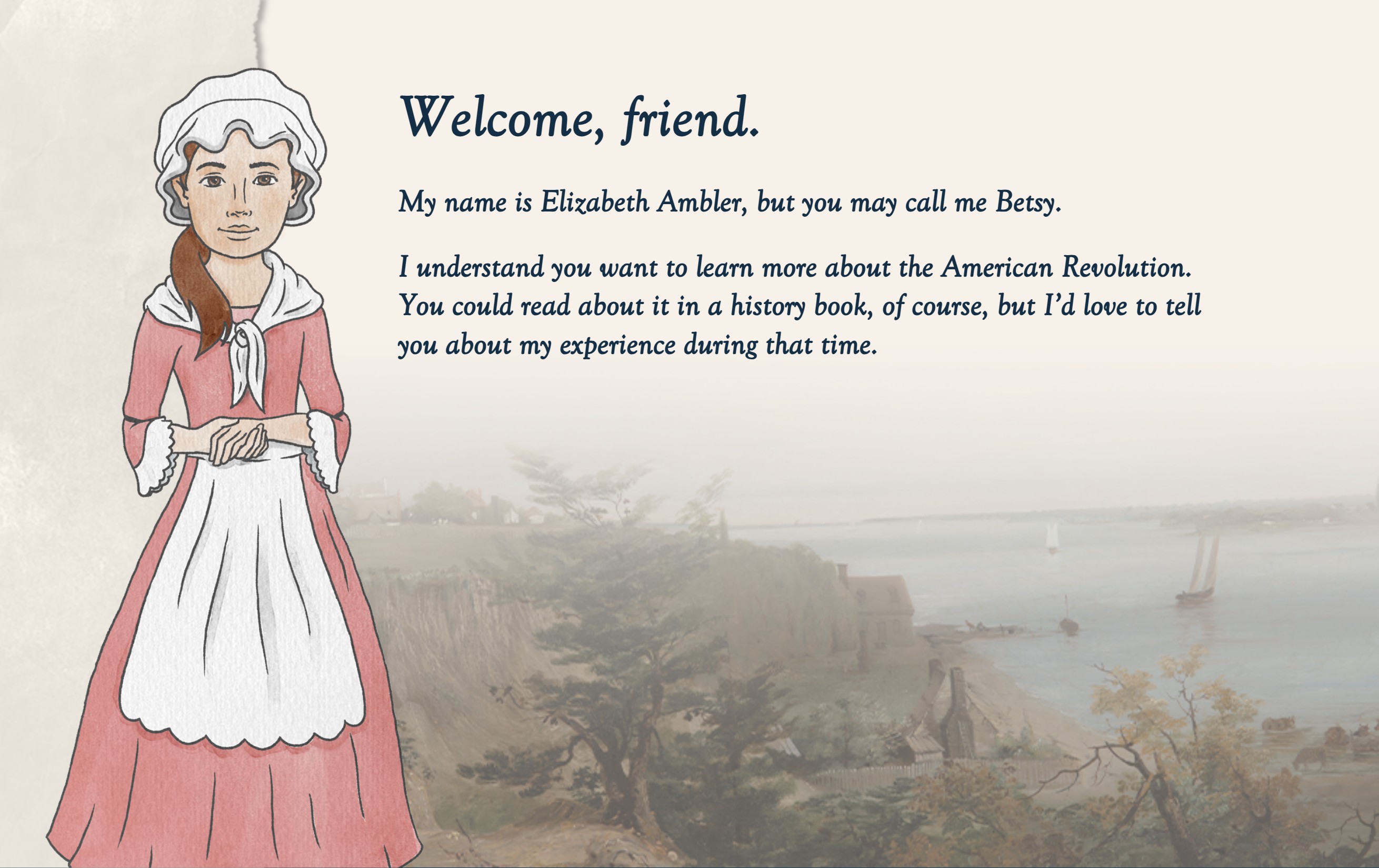
The nation’s 250th anniversary also offers an opportunity to revisit the founding of the United States. For younger learners, that history can feel abstract. Our project for PBS LearningMedia’s Ken Burns in the Classroom collection, THE AMERICAN REVOLUTION, addresses that gap. The interactive is built around the personal letters of Betsy Ambler, a young girl who lived through the Revolution. Actor Maya Hawke, who also voices Betsy in the documentary, narrates the experience. Through Betsy’s perspective, students explore historical events through personal writing, film clips, historical imagery, sound design, and interactive elements.
When students see the Revolution through the eyes of someone close to their own age, they are invited to ask what Betsy thinks, what she fears, and what she would want the new nation to become. The experience connects directly to the founding ideals of freedom, opportunity, and democracy. It launched in February 2026 and earned a 2026 W3 Award Silver in the Children & Youth category. Learn more.
USGPO: Modernizing a Trusted Resource
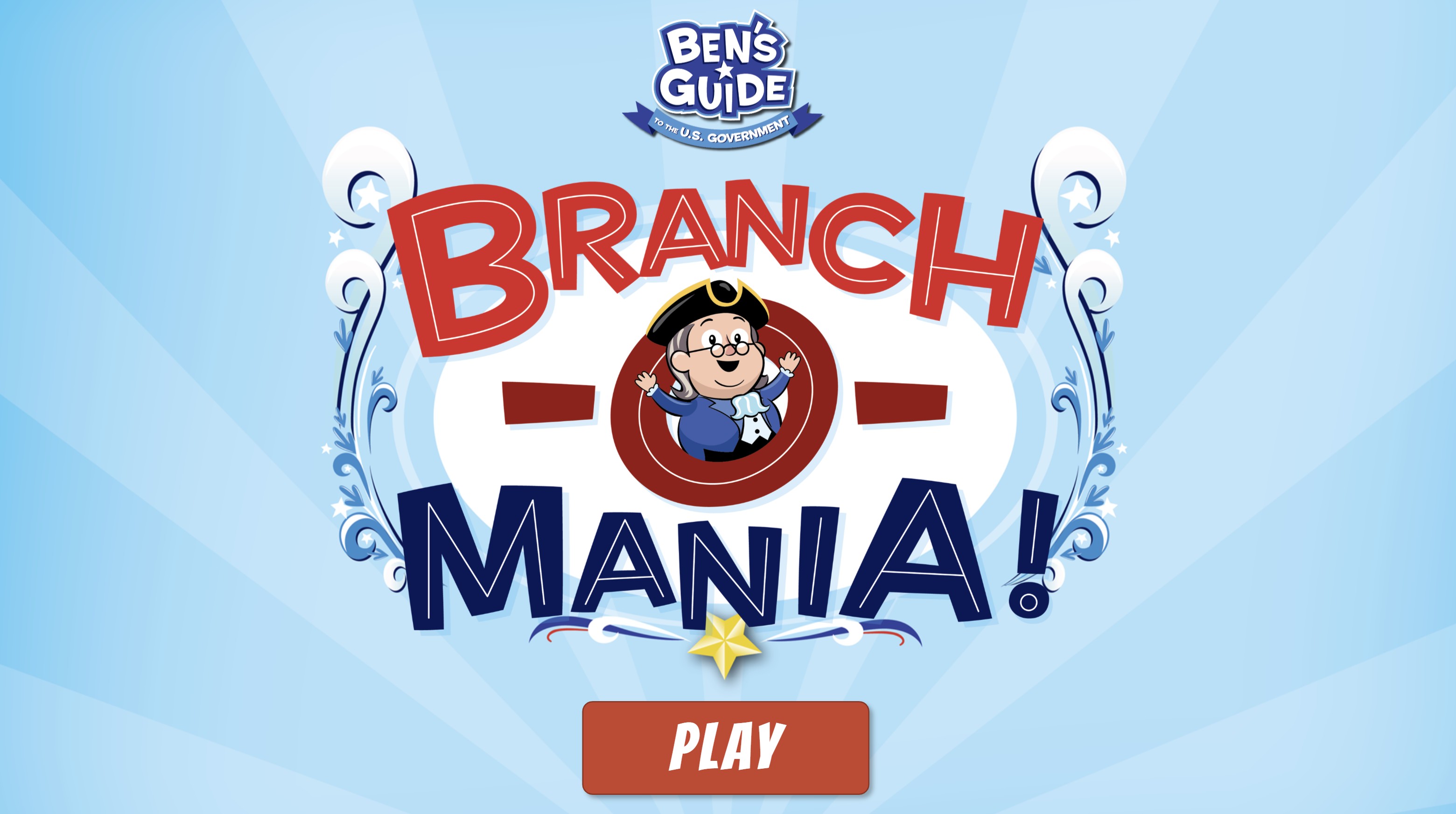
Digital civics also depends on giving students reliable, age-appropriate ways to understand how government works. For the U.S. Government Publishing Office, d’Vinci modernized Ben’s Guide to the U.S. Government, a long-standing educational resource for younger learners. The project moved the website from a legacy framework to Drupal, helping create a more secure, scalable, and sustainable foundation for the future.
We rebuilt its interactive games and quizzes with a strong focus on Section 508 accessibility, and we kept the playful tone that makes the site work for children. The character’s inspiration is Benjamin Franklin, who as a boy apprenticed in a print shop and later helped draft some of the nation’s most important documents. That origin story is itself a civics lesson about how ordinary people shape national life. Read more.
The Wilson Center: Giving Students Evidence to Explore
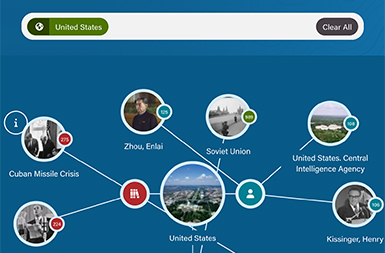 Democracy depends on citizens who can evaluate information, ask questions, and examine evidence. The Wilson Center Digital Archive gives students, researchers, journalists, and policymakers access to once-secret documents from governments and organizations in more than 143 countries and 215 institutions. The collection offers unique insight into global history, international relations, and diplomacy.
The archive holds once-secret documents from governments and organizations in more than 143 countries, collected from 215 institutions, and it is used by students, scholars, journalists, and policymakers.
d’Vinci redesigned it on Drupal 10 and built a Data Visualization Discovery Tool that lets learners trace connections between historical events, figures, places, and topics. The project was also built to be fully mobile responsive and Section 508 compliant, and it earned 2023 Davey and W3 Silver awards. Learn more.
PBS LearningMedia: Understanding the Electoral College
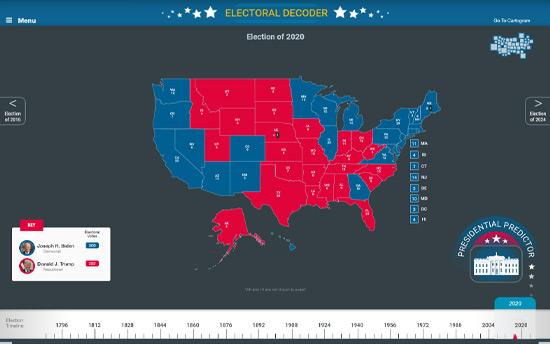 Practice leads to action when students see how their choices affect a presidential election. The Electoral Decoder, created for PBS LearningMedia, contains data from 59 presidential elections, from 1789 through 2020, presented on an Electoral College cartogram. Students use a Presidential Prediction tool to forecast results and share their forecasts with teachers, family, and friends. The forecast is low-stakes, and it can be checked against the outcome, which makes it a useful first lesson in weighing evidence against a conclusion. The d’Vinci team updated the tool for the 2020 and 2024 elections, and it earned a Parents’ Choice Gold Award. Read more.
Learn more:
At d’Vinci Interactive, we combine instructional design, accessible development, user experience, and interactive technology to create engaging learning experiences. Whether you’re developing a civic education initiative or modernizing a public-facing resource, we can help make history and government more accessible and meaningful to learners.
Let’s talk about your next learning experience

Ready to Connect?
Contact us today to start the conversation. We work with you to find innovative solutions that drive a sense of shared accomplishment and trust.